Traveling between Kazakhstan and Kyrgyzstan is one of the highlights of exploring Central Asia. The proximity of major destinations like Almaty and Issyk Kul makes it easy to combine both countries into a single itinerary filled with diverse landscapes, cultures, and experiences.
However, for many travelers, crossing an international border in this region can feel uncertain, especially if it’s their first time visiting Central Asia. The good news is that border crossings between Kazakhstan and Kyrgyzstan are generally straightforward – especially if you know what to expect.
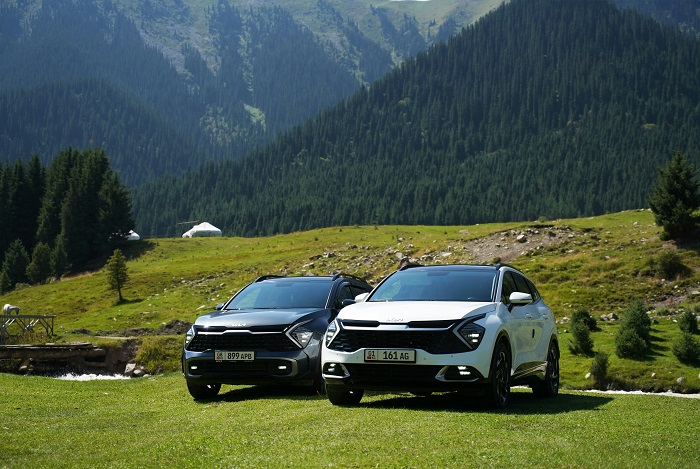
For those traveling between southeastern Kazakhstan and eastern Kyrgyzstan, routes such as Almaty to Karakol by private car offer not only a convenient transfer but also one of the most scenic journeys in the region.
Main Border Crossing Options
There are several border crossings between Kazakhstan and Kyrgyzstan, but not all are equally suitable for international travelers.
The most commonly used crossings include:
- Korday Border (near Bishkek) – the busiest and most accessible crossing
- Kegen Border (toward Karakol) – a more scenic and less crowded route
For travelers heading to Issyk Kul or Karakol, the Kegen border is often the preferred option. It offers stunning mountain views and avoids the heavy traffic typically found at Korday.
Documents You Will Need
Before crossing the border, it is important to make sure your documents are in order.
In most cases, you will need:
- A valid passport (with sufficient validity)
- A visa (if required for your nationality)
- Migration card or registration (depending on your stay)
Many nationalities can enter both Kazakhstan and Kyrgyzstan visa-free for short stays, but it is always best to check current regulations before your trip.
Having printed copies of your documents can also be helpful, although not always required.
Step-by-Step Border Process
Crossing the border between Kazakhstan and Kyrgyzstan typically involves several simple steps:
1. Exit Procedures
You will first go through exit control in the country you are leaving. Border officers will check your passport and stamp you out of the country.
2. Crossing the Neutral Zone
After exiting, you may need to walk or drive a short distance to the next checkpoint. In some cases, vehicles pass through directly, depending on the border crossing and transport arrangement.
3. Entry Procedures
At the next checkpoint, you will go through entry control for the new country. Your passport will be checked again, and you will receive an entry stamp.
4. Customs Check
Customs procedures are usually quick and straightforward. Travelers may be asked about luggage, but inspections are generally minimal.
The entire process can take anywhere from 20 minutes to a couple of hours, depending on the border and time of day.
Travel Time and Conditions
Travel time between Almaty and Karakol depends on the chosen route and border crossing.
- Via Korday (through Bishkek): longer but more developed roads
- Via Kegen: shorter, more scenic, but with mountain roads
The Kegen route is especially popular among travelers who want to enjoy a beautiful drive through valleys and mountain passes. However, road conditions can vary, so having an experienced driver is highly recommended.
Why Private Transport Makes It Easier
While it is technically possible to cross the border using public transport, it can involve multiple transfers, waiting times, and language barriers.
Many travelers prefer to arrange a private car from Almaty to Karakol, which simplifies the entire journey. With private transport:
- You are picked up directly from your location
- The driver assists with border procedures
- You avoid long waiting times and confusion
- You travel comfortably through scenic landscapes
This option is particularly convenient for first-time visitors or those traveling with luggage or in small groups.
Language and Communication
At border crossings, English may not always be widely spoken, especially at smaller checkpoints.
Basic communication usually works through simple instructions and gestures, but having a driver or guide who speaks the local language can make the process smoother.
In most cases, border officers are professional and the process is routine, so there is little to worry about.
Best Time to Cross the Border
Timing can affect how long the border crossing takes.
- Early morning: usually faster and less crowded
- Midday: moderate traffic
- Evening and weekends: potentially longer waiting times
During peak travel seasons (summer months), border crossings may take longer, especially at popular checkpoints.
Planning your crossing time in advance can help avoid unnecessary delays.
Safety and Practical Tips
Crossing the Kazakhstan–Kyrgyzstan border is generally safe, but a few practical tips can make the experience smoother:
- Keep your passport easily accessible
- Follow instructions from border officials
- Avoid taking photos at border checkpoints
- Be patient during busy periods
Having everything prepared in advance helps ensure a stress-free experience.
A Scenic Transition Between Two Countries
One of the most unique aspects of traveling between Kazakhstan and Kyrgyzstan is how quickly the landscape changes.
Within a few hours, you can move from the modern city environment of Almaty to the wild mountain scenery of Kyrgyzstan. The journey itself becomes an important part of the travel experience.
Routes like the one connecting Almaty and Karakol showcase the natural beauty of Central Asia, with mountain passes, rivers, and open valleys creating unforgettable views along the way.
A Smooth Journey with the Right Preparation
Crossing the Kazakhstan-Kyrgyzstan border may seem unfamiliar at first, but it is usually a straightforward and well-organized process.
With the right documents, proper planning, and reliable transportation, travelers can enjoy a smooth transition between the two countries and continue their journey without stress.
Whether you are exploring the mountains of Kyrgyzstan or discovering the cultural and natural attractions of Kazakhstan, combining both destinations offers a richer and more diverse travel experience in Central Asia.